The Thirteenth Psychological Workshop for Ukrainian Refugees Held in Hamburg
Posted on
On February 28 – March 1, the thirteenth psychological workshop was held in Hamburg as part of the project “Psychological Support for Victims of War in Ukraine.”
The project team — a married couple of physicians and Russian political émigrés, Alexander and Galina Goncharenko, together with Ukrainian psychologists — organized the event.
The aim of the workshops is to provide psychological assistance to Ukrainian women who have experienced the trauma of war, including support in overcoming post-traumatic stress disorder (PTSD) and difficulties related to adaptation in a new country.
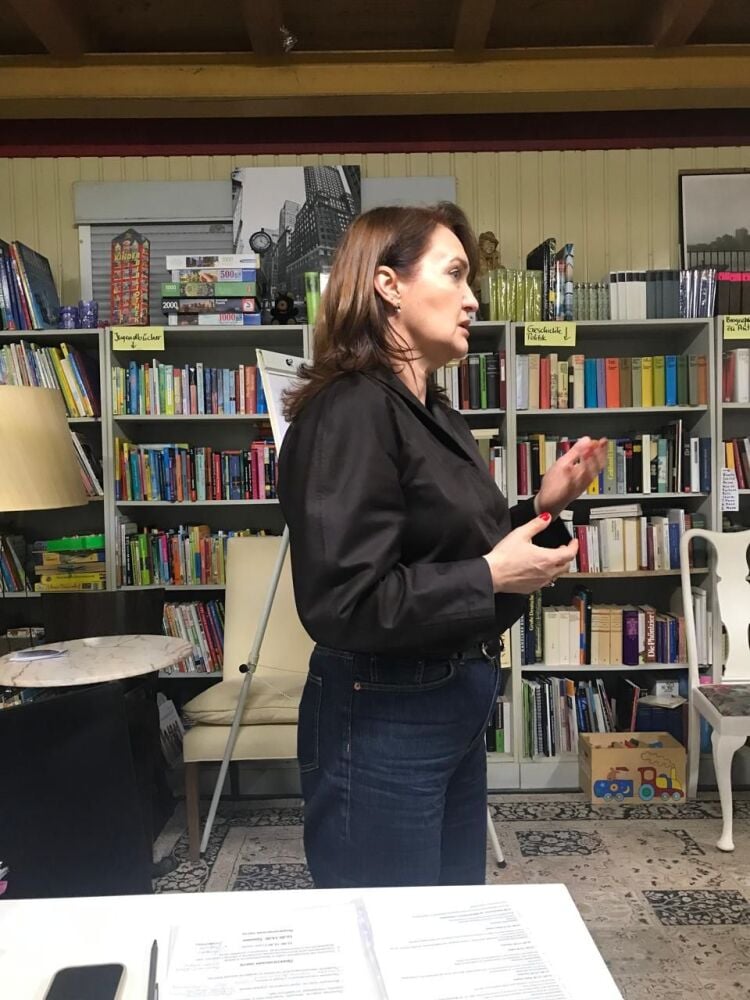
The guest speaker of the workshop was psychologist Natalia Stepanenko.
The seminar took place at the facilities of Arbeiter-Samariter-Bund (ASB) with the support of its director, Günter Arndt, as well as Martina Baeurle, Managing Director of the Hamburg Foundation for the Politically Persecuted Persons.
The first day focused on psychological trauma related to the war, the loss of loved ones, and forced displacement from Ukraine. The second day was dedicated to practical psychological techniques aimed at reducing PTSD symptoms and addressing refugee adaptation syndrome.
Over the course of thirteen workshops, psychological assistance has been provided to 162 Ukrainian women, including 31 repeat participants.
Photo captions:
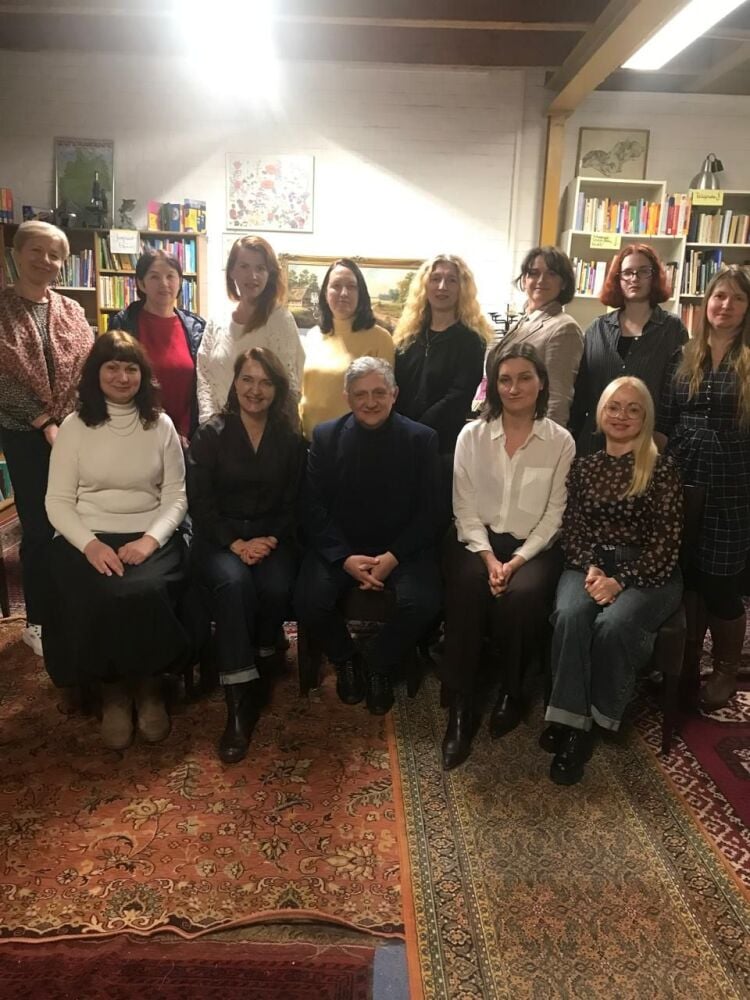
- Group photo of participants of the 13th workshop
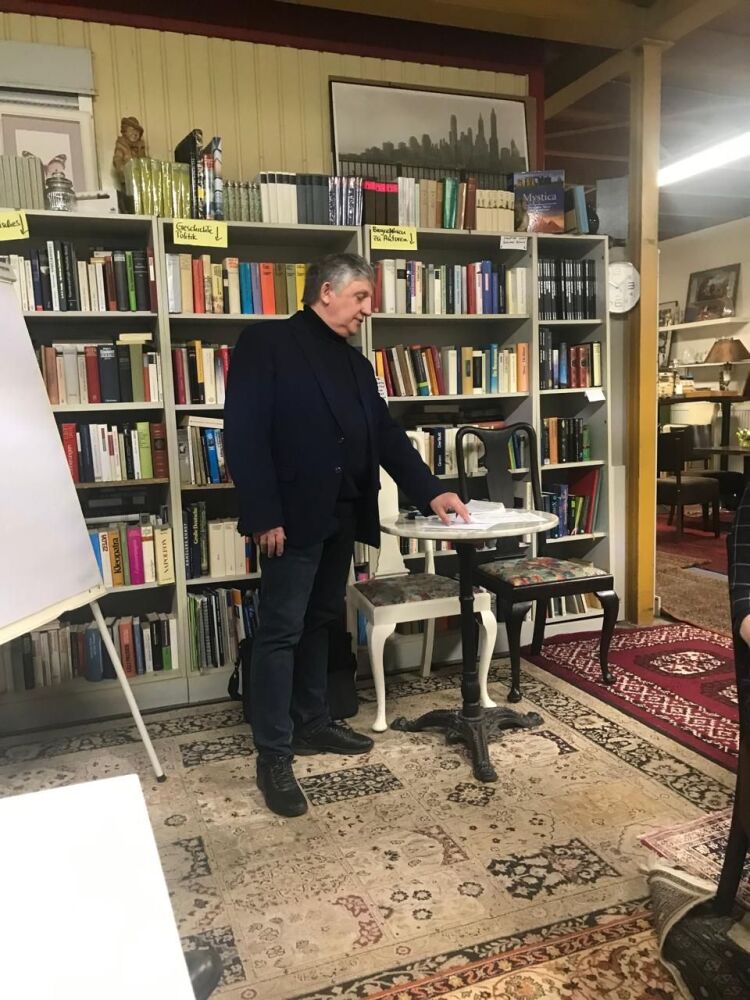
- Opening remarks by Alexander Goncharenko
- Psychologist Natalia Stepanenko
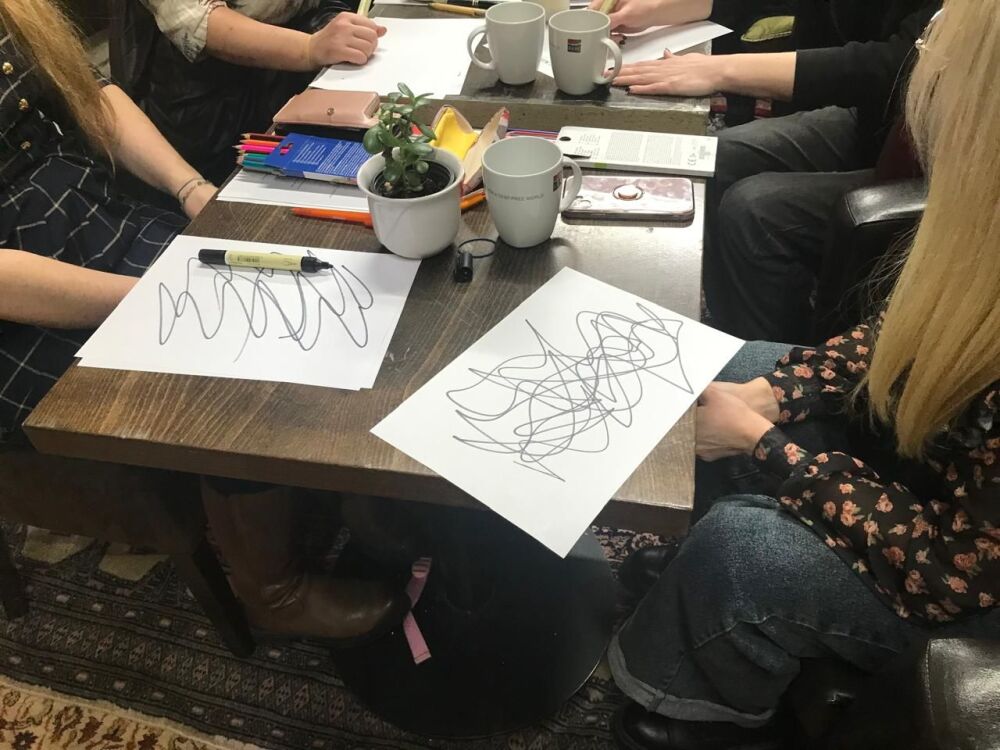
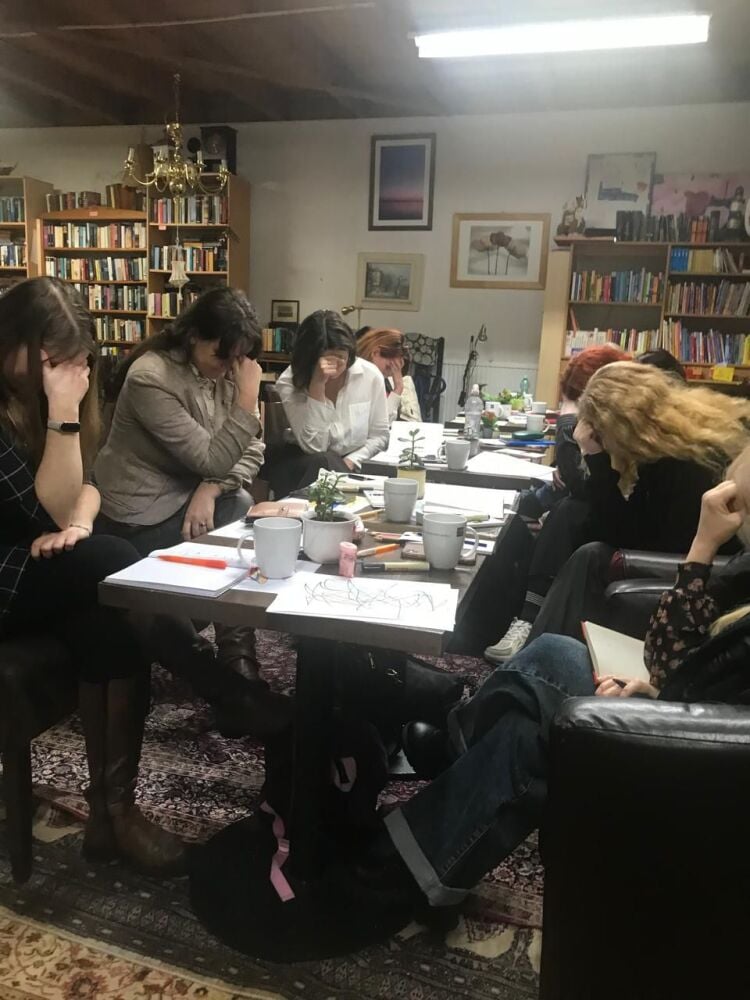
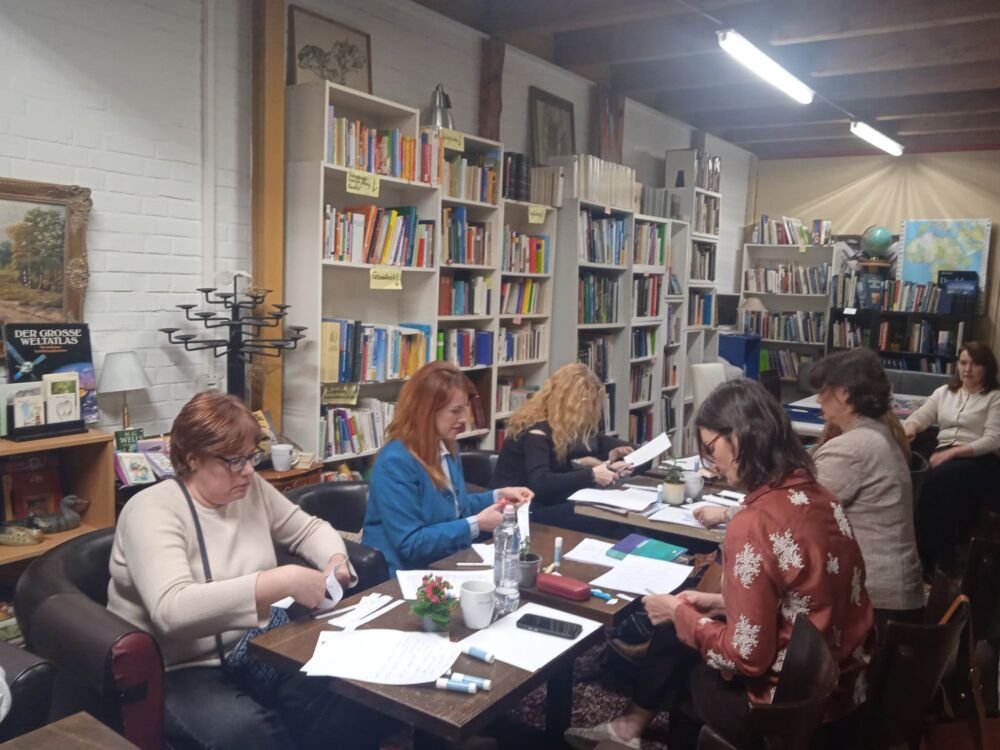
- Beginning of the workshop: “State of the Soul on Paper” exercise
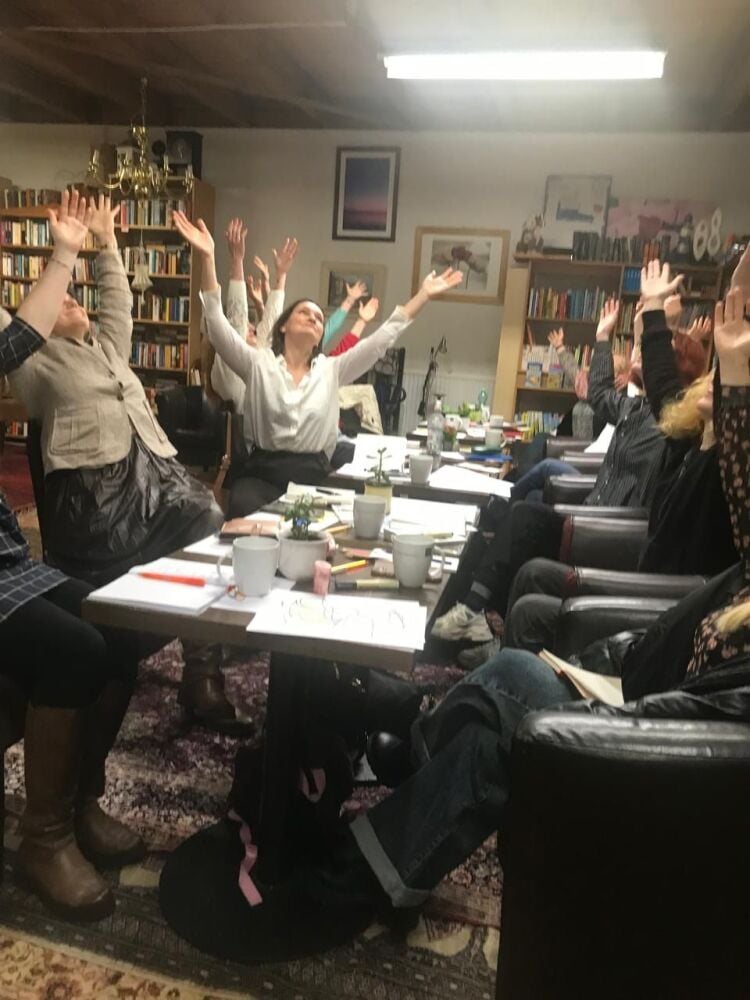
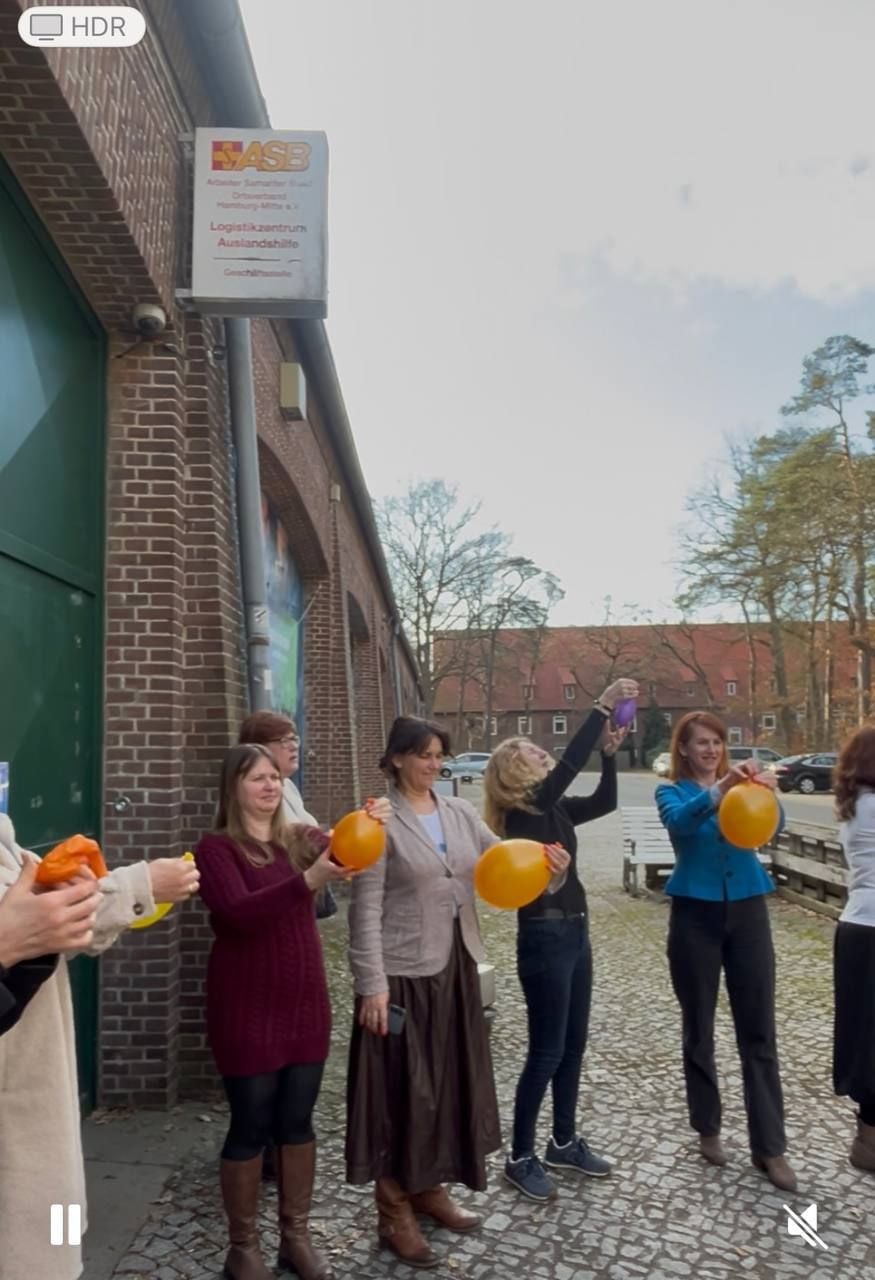
- Symbolic appeal to the sky for support
- “We Think” technique
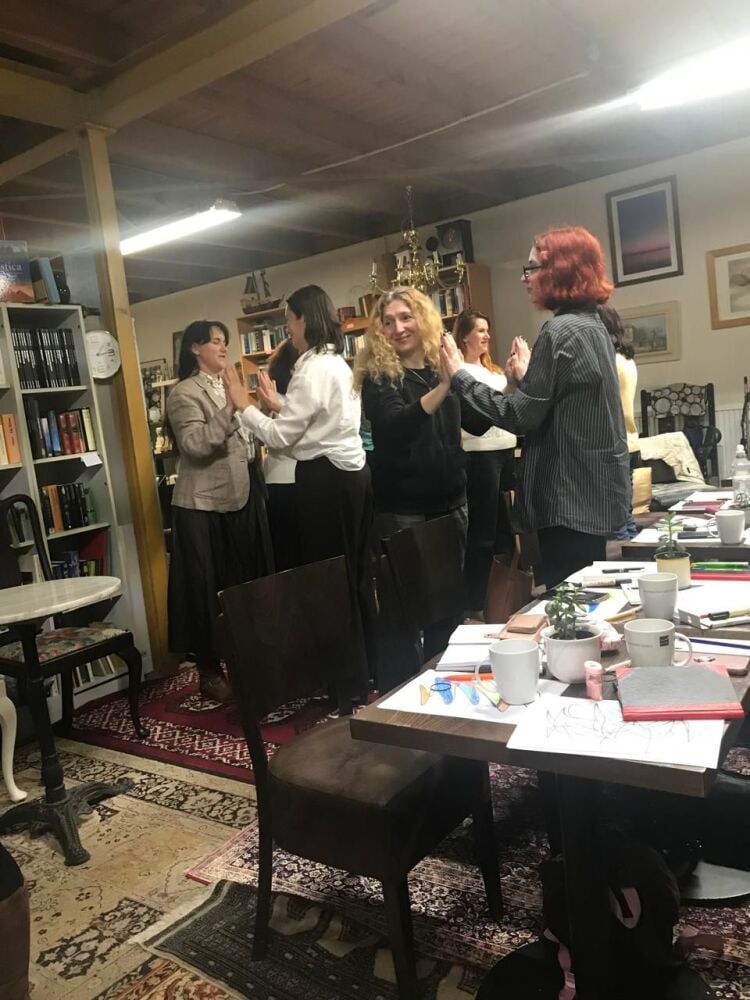
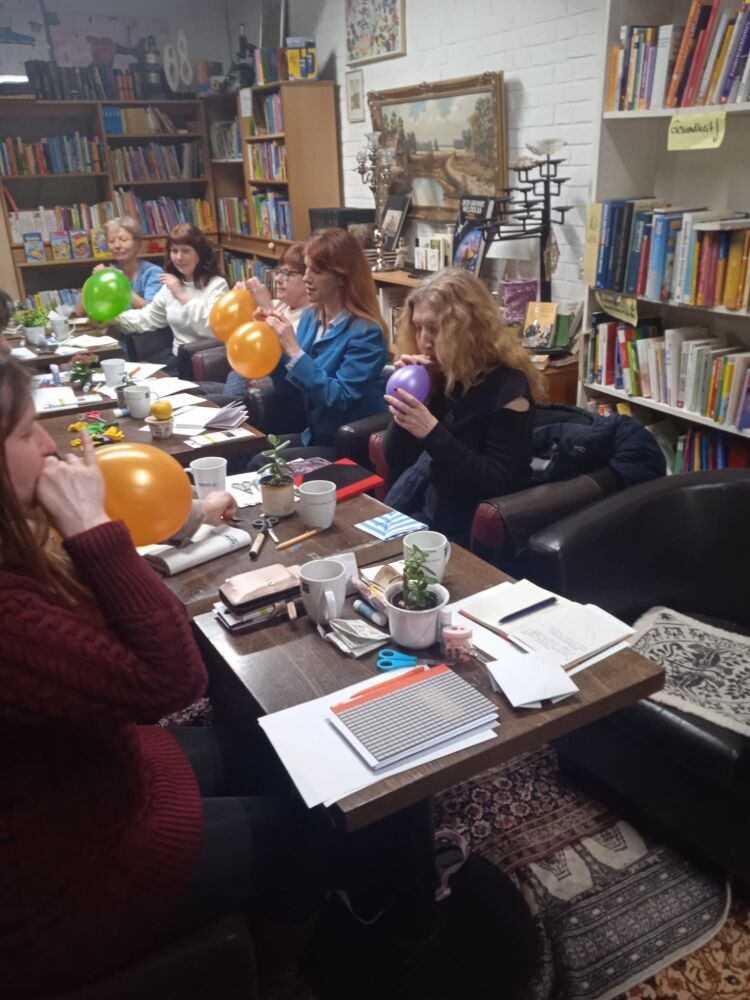
- Pair work session
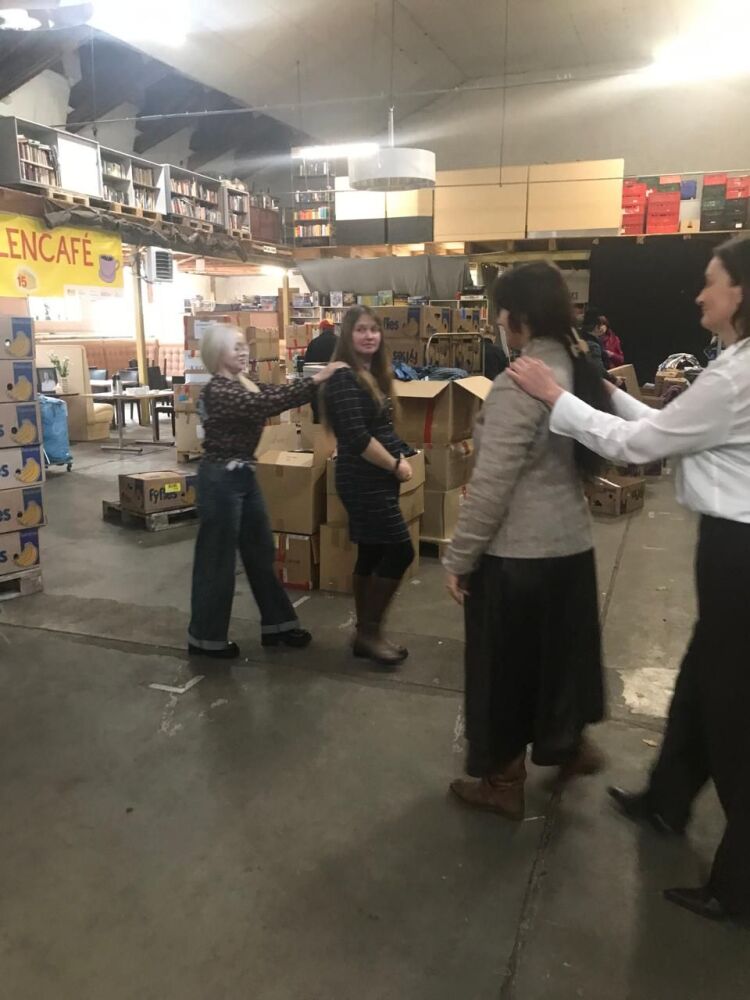
- “Stream” method
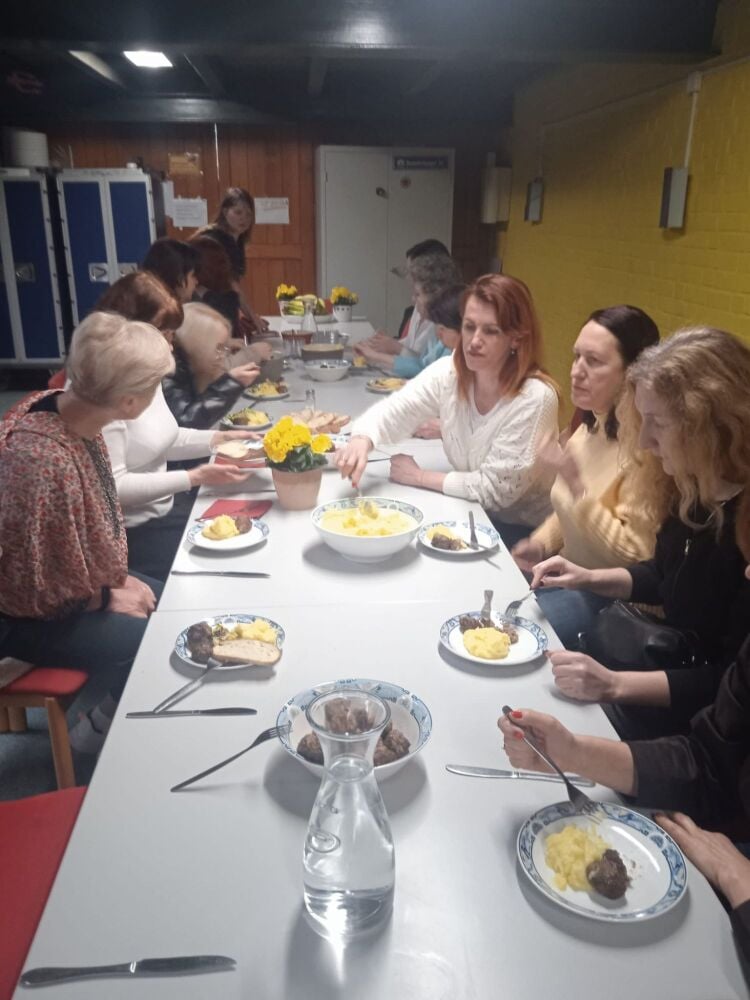
- Lunch on the first day — homemade-style meal
- Communication-building technique through making requests
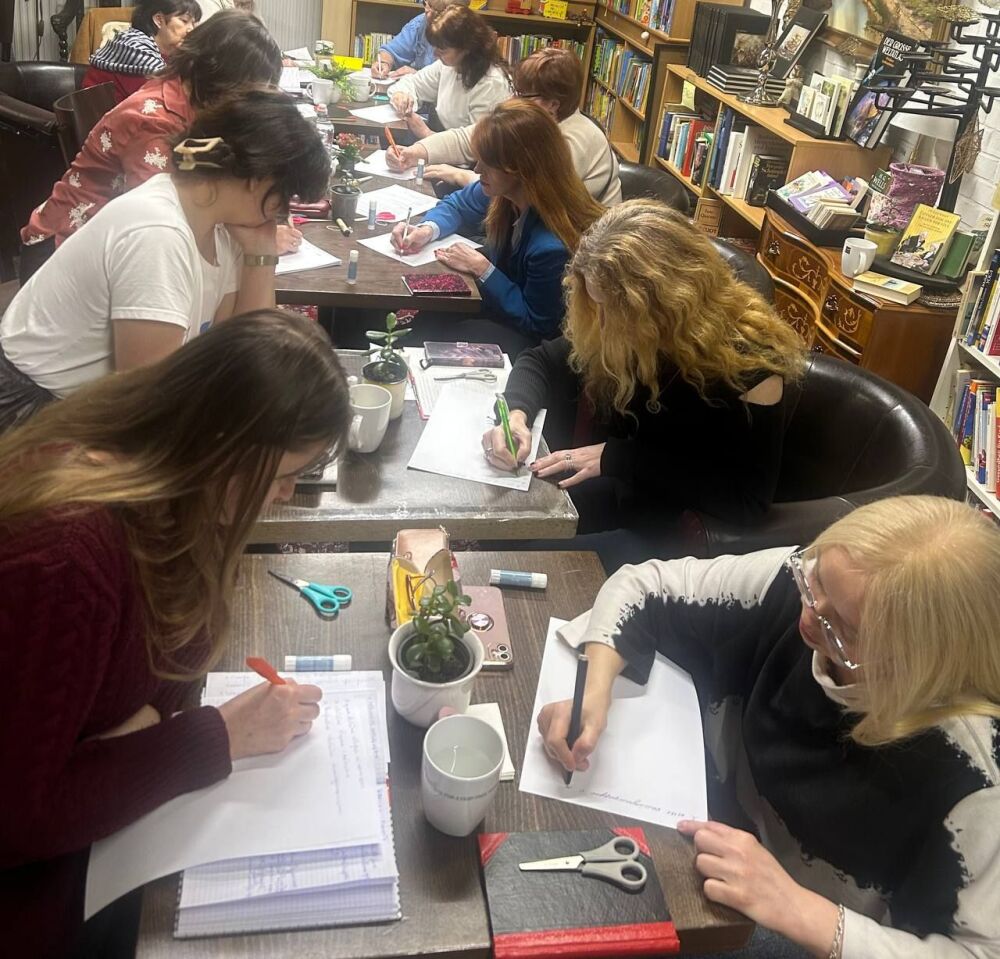
- Creative group work
- Art practice for discovering inner resources
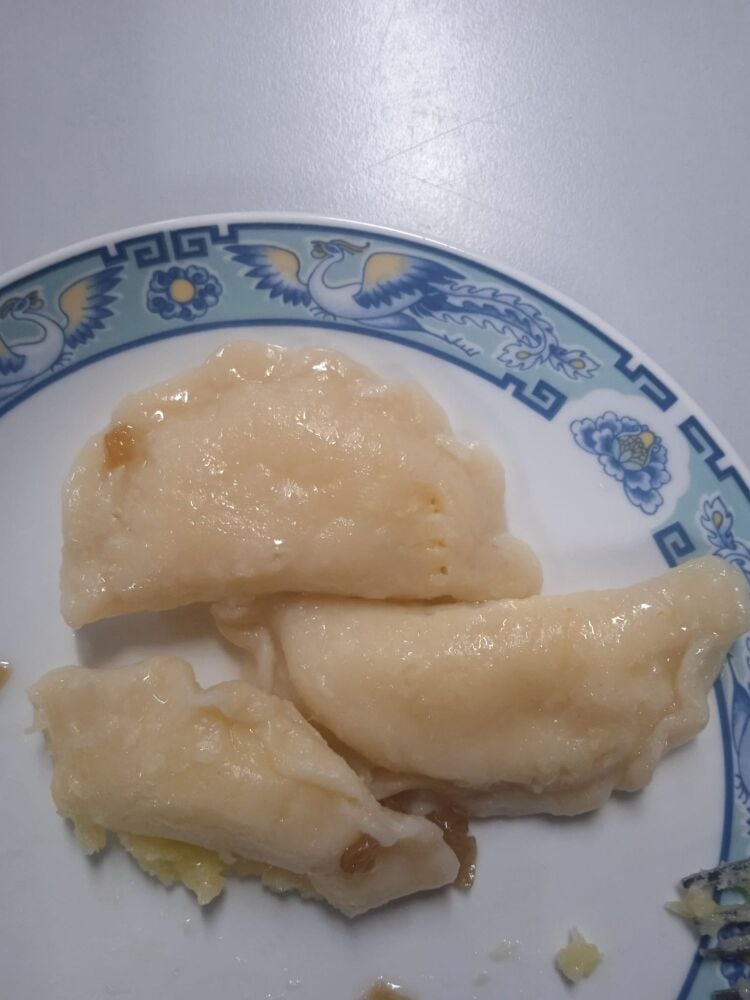
- Lunch on the second day — traditional Ukrainian varenyky
- NLP technique: working with fear in open spaces
- NLP method: working with fear in enclosed spaces
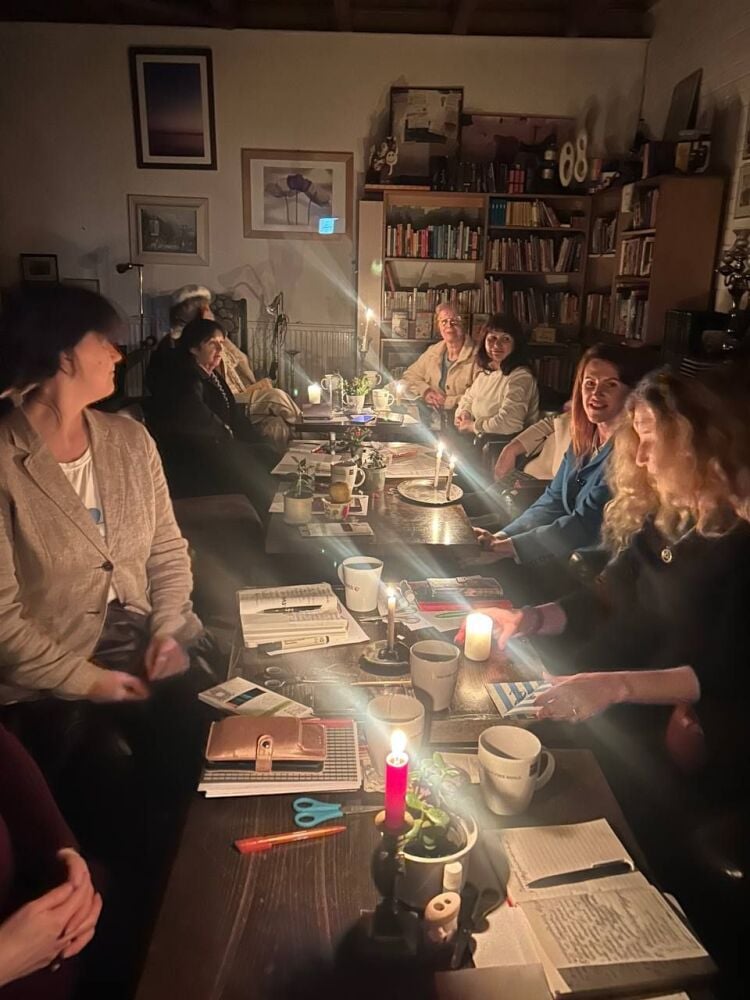
- Meditation practice “Cleansing in Three Waters”: restoring a sense of safety